

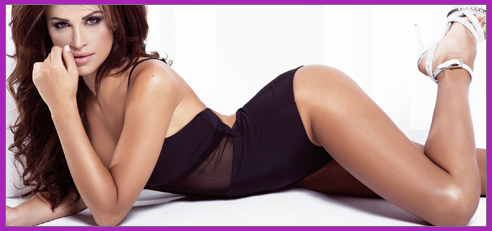
Gone are the days when women anxiously asked, “Does my bum look big in this?” Today, many are asking the opposite: “Does my bum look too small in this?” The ideal has shifted, and so has the way we think about our bodies. A round, lifted, full-looking bottom has become a coveted feature. We are often asked what the real secrets are behind a truly great derrière. Some women visit a surgeon and opt for implants or fat transfers to enhance their shape. Others choose the natural route, committing to a structured exercise routine and a carefully planned diet to build their glutes over time. Both paths require intention and maintenance. If you want to achieve a beautiful, round, gravity‑defying bottom without surgery, there are a few key principles you can follow.
Genetics: Your Starting Point
First, it is important to acknowledge genetics. The basic shape of your behind—whether it is naturally round, flat, heart‑shaped or somewhere in between—is largely determined by your bone structure, muscle insertions and the way your body stores fat. Some women are simply born with fuller hips and a curvier backside. Others have a leaner, more athletic build. Genetics are not the final word, though. Think of them as your starting point, not your destiny. You may not be able to change your underlying structure completely. However, you can improve lift, firmness and overall roundness by building more muscle in the glutes and reducing excess fat around them.
Nutrition for a Peachy Bottom
A sumptuous, healthy bottom is built as much in the kitchen as in the gym. If you want great skin, good muscle tone and a peachy, firm derrière with less cellulite, you need to feed your body well. Protein provides the building blocks your muscles need to grow and repair after exercise. Foods like chicken, turkey, fish, eggs, Greek yogurt, cottage cheese and plant-based options such as lentils, chickpeas, tofu and beans are all extremely helpful. When you train your glutes, you create tiny micro‑tears in the muscle fibres. Protein helps to rebuild those fibres stronger and rounder.
Carbohydrates are also very important because they fuel your workouts and your daily life. Without enough carbohydrates, you feel tired and your training intensity drops. As a result, your progress slows down. Complex carbohydrates such as brown rice, quinoa, oats, whole‑grain pasta, whole‑grain bread and starchy vegetables like sweet potatoes and squash provide steady energy. They support better performance in the gym. Green vegetables such as broccoli, spinach, kale and green beans support digestion, overall health and stable energy levels.
Healthy fats play a crucial role too. They support hormone production, skin health and a feeling of fullness, all of which affect how your body looks and feels. Avocados, olive oil, nuts, seeds and fatty fish like salmon and mackerel provide the kind of fats that nourish your skin from within. They also help to keep your metabolism balanced. When you combine these fats with enough protein and sensible carbohydrate choices, you create an internal environment that supports muscle growth, fat control and glowing skin.
Your behind does not thrive on cakes, sweets and sugary drinks. Overindulging in these foods can quickly lead to fat gain in less flattering areas, such as the hips, lower back and thighs. This can blur your natural shape and increase the look of cellulite. Fizzy soft drinks, sugary coffees, rich desserts and heavily processed fast foods are better kept as occasional treats, not daily habits. Enjoy them sometimes, but do not let them form the basis of your diet.
Training That Shapes and Lifts
Diet sets the stage, but exercise sculpts the show. The glute muscles are some of the largest and most powerful in your body. They include the gluteus maximus, medius and minimus. To achieve a lifted, rounded and firm bum, you need to train these muscles regularly and with purpose. Bikini fitness models and many women with enviable curves do not rely on luck. They work hard. Their routines often include many squats and lunges with added weight, along with other movements that focus directly on the glutes.
Exercises such as squats, lunges and deadlifts create the foundation of a strong, shapely bottom. Squats, whether done with bodyweight, dumbbells or a barbell, work the entire lower body. When you push your hips back and drive through your heels, they strongly target the glutes. Lunges, whether walking, reverse or static, challenge your balance and work each leg on its own. This helps fix side‑to‑side imbalances. Romanian or stiff‑leg deadlifts place extra emphasis on the glutes and hamstrings. When performed with good form, they build firmness at the back of the legs and just under the buttocks.
To refine the shape of your derrière even more, it helps to add targeted glute work. Hip thrusts and glute bridges are excellent for building the upper part of the glutes and creating a lifted look. Step‑ups onto a bench or step, when done with a strong push through the heel, build strength and shape through the entire glute. Smaller, focused movements such as kickbacks and “fire hydrants,” often done with bands or cables, strengthen the side glutes. This improves side curves and hip stability. Training your glutes two to three times a week, with rest days in between, gives the muscles time to repair and grow.
The Power of Progressive Overload
To see real changes in shape and size, you cannot repeat the same light routine forever. You need to challenge your muscles more over time. This is called progressive overload. You can do this by increasing the weights you use, adding extra sets or repetitions, slowing down the tempo of each movement to increase time under tension, or slightly shortening your rest periods. As you consistently ask more of your glutes, they adapt. They become stronger, firmer and more rounded.
Lifestyle Habits That Support Your Curves
Beyond diet and exercise, daily habits affect how your bum looks and feels. Staying well hydrated helps to keep your skin plump and supports healthy circulation. It can also soften the look of cellulite. Getting enough sleep—ideally seven to nine hours per night—gives your body time to repair and rebuild. It also helps to balance hormones that control muscle growth and fat storage.
Long periods of sitting can work against your efforts. When you sit for hours, your hip flexors become tight and your glutes can switch off and weaken. Standing up regularly, walking, stretching and adding some gentle mobility work throughout the day all help your lower body function better. Massage and foam rolling can improve circulation, reduce muscle tightness and help your legs and bottom feel smoother and more comfortable.
Confidence: The Final Touch
Confidence is the final touch on any beautiful behind. The most attractive bottom is the one carried with ease and self‑acceptance. Your behind might be naturally petite and perky, full and dramatic, or somewhere in between. How you feel about it matters greatly. Working on your nutrition and training can transform your shape, but it also changes how you hold yourself. It can improve your posture, your walk and your overall presence. When you know you are taking care of your body, you tend to stand taller and move with more ease. You feel more at home in your own skin.
Genetics do play a role, and you will need to eat well and work hard. But when you combine smart nutrition, focused glute training, supportive daily habits and a generous amount of self‑love, you can achieve your best rear view. It is not about copying someone else’s body. It is about bringing out the very best in your own, no surgery required.

Check out these related blog posts you might find interesting!